The world of gaming has always been a social one, but few games have fostered connections as deeply as World of Warcraft Classic, or as it’s affectionately known, "WoW Classic." The release of the Classic servers brought back not just the mechanics and aesthetics of the original game but also the intricate web of player interactions that defined the early 2000s MMORPG experience. For many, the social dynamics within these servers are just as compelling as the gameplay itself. The result is a rich, evolving social network that mirrors—and in some ways surpasses—the connections formed in the game’s heyday.
At the heart of WoW Classic’s social ecosystem is the concept of reputation. Unlike modern iterations of the game, where many interactions are fleeting and anonymous, Classic demands cooperation and accountability. Players rely on one another to complete challenging dungeons, organize raids, and even secure resources in the open world. This interdependence creates a web of relationships where trust and reliability become currency. A player’s reputation spreads through guilds, trade chats, and server forums, shaping their experience far more than any in-game achievement ever could.
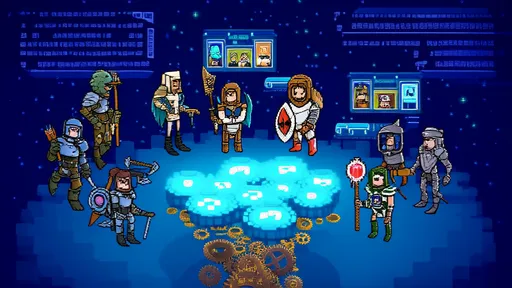
Guilds serve as the backbone of this social structure. These player-created communities are more than just groups for raiding; they become digital families. Members share strategies, resources, and, most importantly, time. The bonds formed in these spaces often extend beyond the game itself, with Discord servers and real-life meetups becoming common. The most successful guilds aren’t necessarily the ones with the best gear or the fastest clear times—they’re the ones that foster a sense of belonging. In WoW Classic, social capital is just as valuable as epic loot.
Another fascinating aspect of Classic’s social network is the emergence of server-wide personalities. Unlike retail WoW, where cross-realm functionalities dilute community identity, Classic servers are self-contained worlds. This leads to the rise of recognizable figures—whether they’re infamous auction house tycoons, legendary raid leaders, or even notorious griefers. These players become part of the server’s folklore, their actions and reputations discussed in global channels and forum threads. In many ways, these individuals shape the culture of their server as much as the game’s designers do.
The economy of WoW Classic also plays a significant role in social dynamics. Without the convenience of automated auction houses or cross-server trading, players must engage directly with one another to buy, sell, and trade goods. This creates a bustling marketplace where negotiation and haggling are expected. Trust is paramount, as scams and bad deals can quickly tarnish a player’s standing. The most successful merchants aren’t just those with the rarest items—they’re the ones who build lasting business relationships with their server-mates.
Interestingly, the social networks within WoW Classic often reflect real-world social structures. Alliances form between guilds, rivalries ignite over contested resources, and politics come into play when organizing large-scale events like the Ahn’Qiraj war effort. The game’s design encourages these interactions, but it’s the players who bring them to life. The result is a living, breathing world where every action has social consequences. Unlike single-player games or even many modern MMOs, WoW Classic thrives on the drama, camaraderie, and conflicts between its players.
Perhaps the most enduring legacy of WoW Classic’s social network is how it bridges generations. Many returning players are now adults with careers and families, reliving the nostalgia of their youth. Yet, they’re joined by a new wave of gamers who never experienced the original release. This intergenerational exchange creates a unique dynamic where veteran players become mentors, passing down knowledge and traditions. The social fabric of Classic isn’t just preserved—it’s actively evolving as new players leave their own mark on the game’s history.
As WoW Classic continues to evolve with subsequent content phases, its social networks will undoubtedly shift as well. New raids, battlegrounds, and world events will test existing relationships and forge new ones. Yet, the core of what makes Classic’s community special remains unchanged: it’s a world where every player matters, where reputations are earned, and where the connections made are as meaningful as the loot dropped. In an age of disposable online interactions, WoW Classic stands as a reminder of how deep and enduring virtual friendships can be.

By /Aug 15, 2025
By /Aug 15, 2025

By /Aug 15, 2025
By /Aug 15, 2025

By /Aug 15, 2025
By /Aug 15, 2025

By /Aug 15, 2025
By /Aug 15, 2025

By /Aug 15, 2025

By /Aug 15, 2025

By /Aug 15, 2025

By /Aug 15, 2025
By /Aug 15, 2025

By /Aug 15, 2025
By /Aug 15, 2025

By /Aug 15, 2025

By /Aug 15, 2025

By /Aug 15, 2025

By /Aug 15, 2025

By /Aug 15, 2025